
Who We Are
OUR LEADERSHIP
At the North America and the Caribbean Collaboration Association, our leadership embodies a diverse blend of wisdom, passion, and commitment, dedicated to fostering unity and empowerment within our communities. Each member of our leadership team brings unique experiences and insights, driving innovative initiatives that uplift and inspire. Together, they cultivate a supportive environment where every voice is heard and valued, ensuring that our mission resonates deeply throughout our organization and the lives we touch. United by a shared vision, our leaders are committed to guiding our community towards a brighter future, rooted in collaboration and mutual respect.
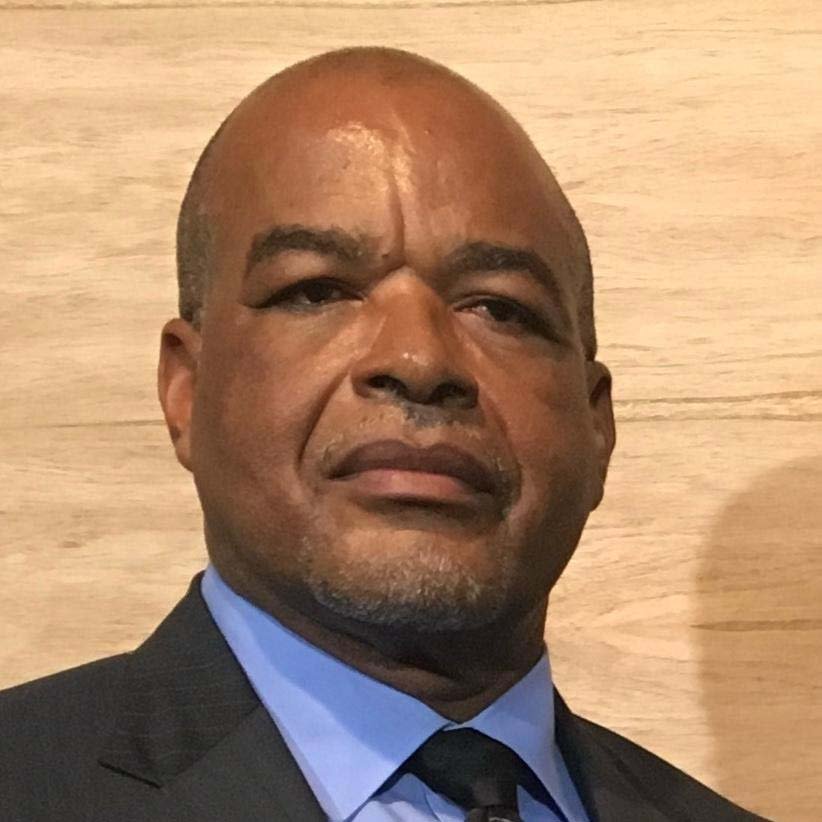
Henry
Harley

Howard
Green

Dr. Donovan Stanberry
Lloydel
Lewis

Edwin
Scott
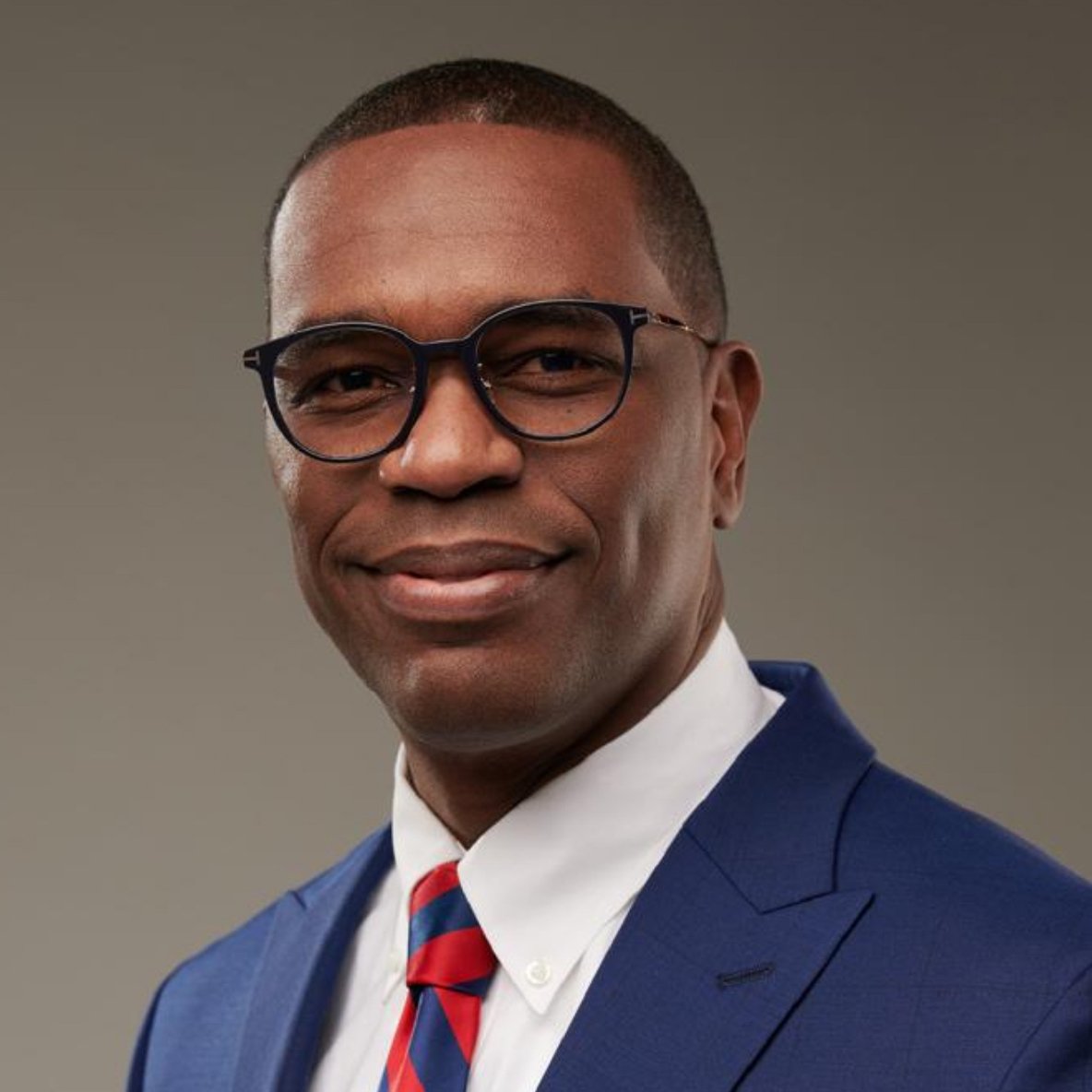
Gil
Monrose
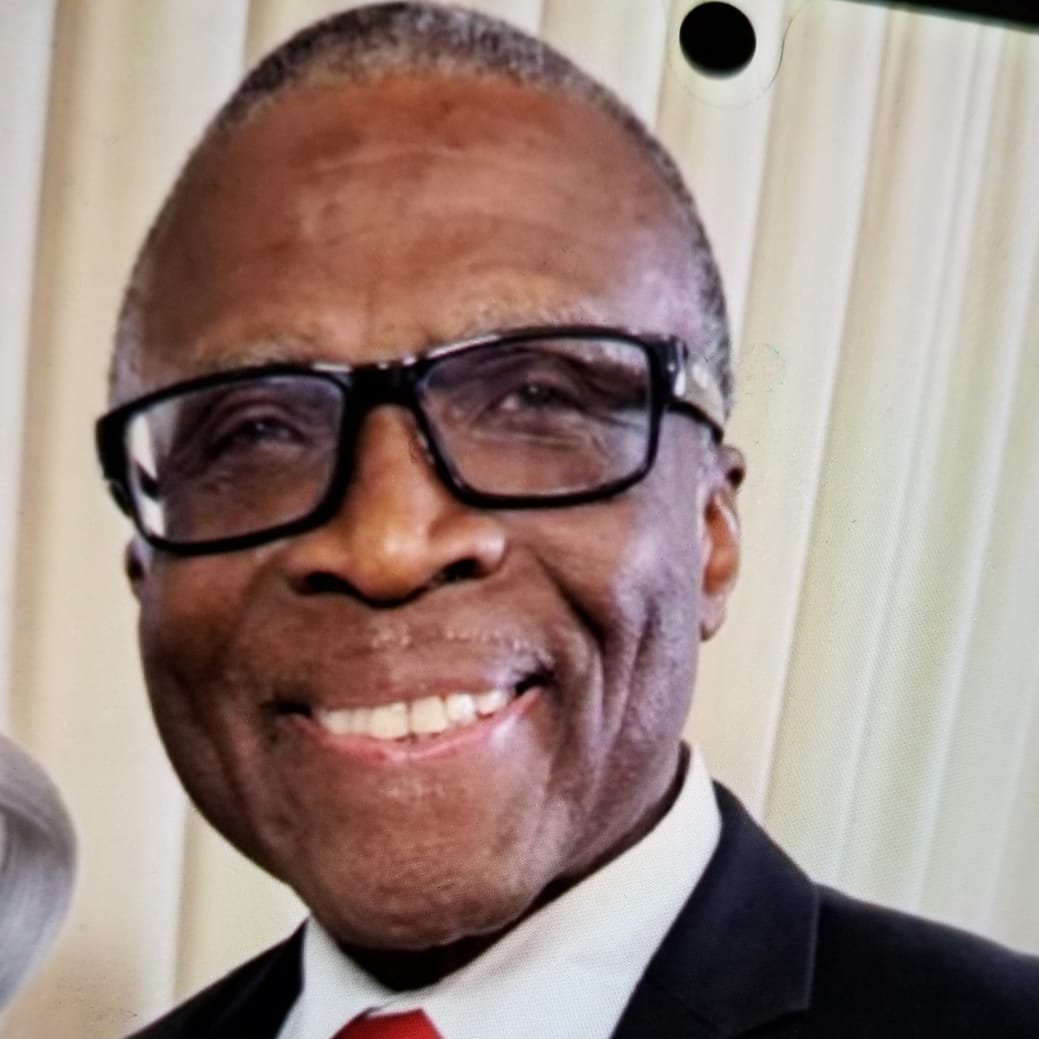
Alva
Donaldson

Bishop Phillip
Salmon

Anthony
Dalrymple

Milton
Mc Neil

Orlene
Reid

Nadia
Broderick
OUR MISSION
Striving to be faithful instruments of God, we remain deeply committed to inspiring and empowering spiritual leaders worldwide as they embark on a journey to explore the profound apocalyptic revelations and visions imparted by Jesus through His beloved apostle John. Our mission is to illuminate the path for individuals seeking a more profound, authentic, and transformative relationship with Jesus Christ, while nurturing a vibrant community of believers who can truly embrace and experience the boundless love and grace He freely offers to all who seek Him.
OUR VISION
Inspiring & Guiding
Inspiring and guiding people everywhere, using the available media reach; provide for their exposal more of the truth and revelation of Jesus Christ.
Christ In All Things
Our Christ-centered life begins with realizing the source of everything we are is the Lord. He along with His father created us, He owns us, He gifted us with talents, He authors our story, and every blessing that we receives comes from Him. Christ is the source of our righteousness. We have no internal desire or moral ability to live up to biblical standards on our own, but in Christ we have everything we need for godly living. Our ultimate goal is Jesus is glorified in our entire being. It’s not wrong to pursue personal goals, but the glory of Christ is the orienting compass that gives direction to all others.
We want Christ to be known, honored, worshipped and obeyed; hence we submit every other attainable goal to Him. Our decisions are no longer controlled by selfish desires, but by new desires we get from His love. (2 Corinthians 5:14-15)
OUR PURPOSE
To create opportunities and cultivate relationships where connections are established and flourish, with the goal of earnestly reaching the desired destination of discipleship and spiritual growth—loving God and our neighbors, and becoming increasingly like Jesus.
As they ministered to the Lord, and fasted, the Holy Ghost said, separate me Barnabas and Saul for the work whereunto I have called them. (Acts 13:2) Christians changing lives for Christ; grew out of concerns of Christians separated by distance; while firmly cemented in their original call and ministry of Jesus. We believe that Jesus was raised from the dead and exalted by God and will return soon, at the inception of God’s kingdom.
As disciples of Jesus, we are fully committed to the cause of illuminating others to the truth of salvation, by providing services, resources and support.
We recognize that not all believers will subscribe to every declaration included in our statement of faith.
Nevertheless all Christians who follow Jesus Christ and are practicing the Christian faith are welcome to join us.
OUR HISTORY
Anchored in a Promise
From the very beginning, The Church of Jesus has been identity and grounded in the ultimate truth and promised of His return. His people have held onto that hope through every era of history. Across centuries of challenge, persecution, and spiritual searching, believers continued to trust that God still guide His church forward.
Global Spiritual Revival
During the late 1700s to early 1800s, Christians living in the aftermath of the reformation movement lead by Luther and Wycliffe began re-examining biblical prophecy with renewed interest. Everyday believers across Europe, the Americas, and beyond sensed that history was nearing a significant turning point.
In North America, Bible student William Miller became a well-known voice urging people to take Scripture seriously and prepare for Christ’s return. His message sparked a broad revival attracting people from various Christian groups, who longed to understand God’s Word more deeply.
A Journey of Searching and Awakening
Many believers convinced by Miller’s prophetic teachings expected Jesus to return in 1844. When that day passed, the moment became known as the Great Disappointment. Some walked away, but others chose to return to the Bible, determined to re-examine their understanding with humility and prayer.
They discovered that while the prophetic timeline had been correctly interpreted, the expected event had been misunderstood.
The Rise of the Church of God 7th Day
Out of this period of renewed study and reflection emerged a community committed to holding firmly to Scripture while continuing the core principles of the early believers. This group would come to be known as the Church of God 7th Day.
Several foundational beliefs united these early members:
- The Bible as the final and absolute authority
- Salvation through Jesus Christ alone
- The literal and visible return of Christ
- Observance of the seventh-day Sabbath
- A holistic understanding of Christian living—mind, body, and spirit working together.
Leaders and dedicated members helped shape the direction, organization, and mission of the Church of God 7th Day, emphasizing unity, biblical clarity, and Christ-centered living.
What began as small groups of believers soon grew into a large fellowship devoted to Scripture, discipleship, and service. Members established publishing efforts, outreach programs, and mission work rooted in the teachings of Christ and the example of His early followers.
Today, the Church of God 7th Day is represented in many countries around the world. Though diverse in culture and language.
History Matters
Our history is more than a sequence of events—it is a reminder that God continues to guide His people. The same Spirit who led the early believers still leads the Church of God 7th Day today.
This story continues with every follower of Jesus who chooses to live faithfully, obey God’s commandments, and share the hope of His coming Kingdom.
Strength and our Spiritual Heritage
The testimonies and accounts of our predecessors reveal the true source of strength that has sustained—and must continue to sustain—the followers of Christ. Their legacy and experiences form an enduring wellspring of spiritual power for the Church of God 7th Day.
The record of those who came before us is more than history; it is the foundation upon which courage, conviction, and perseverance have been built. Their victories and struggles call today’s believers to continue carrying the light of truth and the zeal that defines our faith.
Through the Holy Spirit, the Father pours out strength, and grace upon His people. This divine empowerment fuels the mission and purpose of Christ’s followers, guiding the Church of God 7th Day with clarity and spiritual direction.
The Word of God stands as an abundant storehouse of heavenly wisdom. Through careful, prayerful study, believers discover the pathway from darkness into light and uncover the transforming power of faith. Scripture remains the foundation of our doctrine, our hope, and our obedience.
The journey of those who preceded us should not be ignored or minimized. Their sacrifices, achievements, and steadfastness urge us toward deeper faithfulness. Their stories are reminders that the call to righteousness is both inspired and tested through real experience.
The essence and Understanding of the Movement
Attempting to document every detail and every faithful servant throughout our history would create a volume far beyond practical limits. Instead, by focusing on pivotal moments and significant individuals, we gain insight into the spirit and purpose that define the Church of God 7th Day.
For those who desire deeper knowledge, extensive writings and records exist that highlight the devotion of early leaders and members. Many faithful servants, though unnamed in this summary, have contributed greatly to the church’s growth. As the Church of God 7th Day has expanded across the world, it has become impossible to catalog every believer who has labored with courage and dedication.
PRESERVED FROM DARKNESS
Groups such as the Waldenses safeguarded Scripture and resisted doctrinal corruption. Their endurance kept alive core biblical truths:
- the authority of Scripture
- salvation in Christ alone
These convictions flowed forward into later Sabbath-keeping circles that would influence the Church of God 7th Day.
The Reformation
The Protestant Reformation reawakened serious study of prophecy. Reformers emphasized:
- justification through Christ
- the future literal return
- the fallibility of ecclesiastical authority
This shifted Christian thought back toward apostolic teaching and laid groundwork for future biblical reform.
Sabbath-Keeping pioneers
While genuine interest in the study of scriptures increased in fervor many groups emerged who returned to Scripture—not mysticism or speculation.
They affirmed:
- the literal return of Christ as Lord and propitiation for sin.
- the binding authority of Scripture
- the seventh-day Sabbath
- rejection of unscriptural traditions
These believers became the nucleus that would lead to the formation of the Church of God 7th Day.
The Emergence of the Church of God 7th Day
Rather than following speculative teachings or forming around disappointment, this movement grounded itself in:
-
Scripture
-
the Sabbath
-
the literal Second Advent
-
practical Christian living
It rejected extremism, sensationalism, and authoritarian hierarchy.
Its identity was shaped not by a failed prophecy, but by:
-
biblical conviction
-
moral reform
-
and the desire to restore primitive Christianity
The Church of God 7th Day—A Scriptural Continuation
Unlike movements that grew out of date-setting or visionary speculation, the Church of God 7th Day traces its roots to:
-
ancient believers who preserved faith under persecution
-
Reformers who reclaimed Scripture
-
Sabbath-keepers who separated from error
-
and 19th-century prophetic awakening—purified, not defined, by it
Where others built doctrine around disappointment, COG7 built on Scripture alone.
Anchored in a Promise
From the very beginning, our identity has been grounded in a simple truth: Jesus promised to return, and His people have held onto that hope through every era of history. Across centuries of challenge, persecution, and spiritual searching, believers continued to study Scripture, trusting that God was still guiding His church forward.
A Worldwide Awakening
During the late 1700s and early 1800s, Christians around the world began re-examining biblical prophecy with renewed interest. Teachers, writers, and everyday believers across Europe, the Americas, and beyond sensed that history was nearing a significant turning point.
In North America, Bible student William Miller became a well-known voice urging people to take Scripture seriously and prepare for Christ’s return. His message sparked a broad revival often referred to as the Advent movement — a gathering of people from many churches who longed to understand God’s Word more deeply.
A Time of Searching and Understanding
Many believers expected Jesus to return in 1844. When that day passed, the moment became known as the Great Disappointment. Some walked away, but others chose to return to the Bible, determined to re-examine their understanding with humility and prayer.
They discovered that while the prophetic timeline had been correctly interpreted, the expected event had been misunderstood. This insight led believers to focus again on Christ’s continued ministry as High Priest and on God’s call to deeper obedience and faithfulness in the final days of earth’s history.
The Rise of the Church of God 7th Day
Out of this period of renewed study and reflection emerged a community committed to holding firmly to Scripture while continuing the core principles of the early believers. This group would come to be known as the Church of God 7th Day.
Several foundational beliefs united these early members:
-
The Bible as the final and absolute authority
-
Salvation through Jesus Christ alone
-
The literal and visible return of Christ
-
Observance of the seventh-day Sabbath
-
A holistic understanding of Christian living — mind, body, and spirit working together
Leaders and dedicated members helped shape the direction, organization, and mission of the Church of God 7th Day, emphasizing unity, biblical clarity, and Christ-centered living.
Growing Into a Global Church
What began as small groups of believers soon grew into a global fellowship of churches devoted to Scripture, discipleship, and service. Members established publishing efforts, educational ministries, outreach programs, and mission work rooted in the teachings of Christ and the example of His early followers.
Today, the Church of God 7th Day is represented in many countries around the world. Though diverse in culture and language, members remain united by faith in Christ and a shared desire to live out His teachings.
Our History Matters
Our history is more than a sequence of events — it is a reminder that God continues to guide His people. The same Spirit who led the early believers still leads the Church of God 7th Day today.
This story continues with every follower of Jesus who chooses to live faithfully, obey God’s commandments, and share the hope of His coming Kingdom.
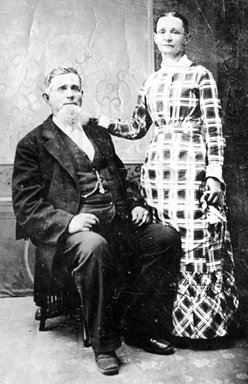
COG7 EARLY FORERUNNERS
Gilbert Cranmer: Early Life and Conversion
Gilbert Cranmer was born January 18, 1814, in Newfield, Tompkins County, New York, the first child of Nicholas Cranmer and Mary Ogden. Around 1822, the family moved to Tioga County, New York. Three years later, his father died from a rattlesnake bite, leaving young Gilbert responsible for his mother and seven younger siblings.
Cranmer later recalled that he was converted at age 17 and first united with the Methodist Church, but soon rejected its doctrine of God. In 1833 he joined the Christian Church (Christian Connexion), which licensed him to preach.
That same year, during the famous Leonid meteor shower (often called “the falling of the stars”), Cranmer and his mother watched the sky filled with “meteors like balls of fire.” His mother dropped to her knees, exclaiming that the day of judgment had arrived. The event left a deep impression on him.
From 1833 to 1836, Cranmer worked as an itinerant minister in New York, Pennsylvania, Ohio, Kentucky, and southern Indiana.
Ministry in Canada and Move West
In the fall of 1837, Cranmer traveled to Ontario, Canada, to visit relatives. The Patriot War soon broke out, and British troops patrolled the roads. While there, Cranmer sought out congregations of the Christian Connexion, preaching and evangelizing in places like St. Catharines, Brantford, and Sodom. About 300 people accepted his message. Because he was not yet ordained, he traveled about sixty miles to obtain ordination and then returned to baptize the new believers.
In Canada he also met Mariah Averille, whom he married in March 1838. With the Patriot War ongoing and hostility toward religion strong, Cranmer decided to return to the United States. After six weeks of traveling west with his new wife and a relative, he arrived at Fort Dearborn (now part of Chicago), where he purchased forty acres and began farming, preaching only as time allowed.
Marriages and Family
Cranmer’s home life was marked by repeated loss and hardship. He married four times and buried three of his wives.
-
First wife – Mariah (m. 1838): She was seventeen when they married and died about two years later, along with their two infant children.
-
Second wife – Betsey Heath (m. October 16, 1842): They lived in Michigan and had three children—Mary Ann (1843–1902), Nathan H. (1846–1914), and Gilbert W. Jr. (1855–1939). Betsey died in the mid-1850s.
-
Third wife – Harriet F. Mesick (m. April 19, 1855): They had one daughter, Frances H. (1857–1886). Harriet died September 12, 1878, in Comstock, Michigan.
-
Fourth wife – Emily (widow of Erastus Branch, m. May 18, 1879): Cranmer had previously converted Emily’s first husband and family to the seventh-day Sabbath and belief in the Second Advent. When Erastus died in 1873, Emily was left with six sons. After Gilbert married Emily, he became stepfather to Lemuel Joseph, John Clarence, Mortimer Albert, Charles Ray, Adelbert, and Erastus Graves. The boys kept the Branch surname but loved and honored Cranmer, calling him “Father Cranmer.”
The Millerite Movement
William Miller’s preaching on Christ’s imminent return (“about” 1843) found strong support among ministers of the Christian Connexion. A significant number of Millerite preachers came from that body—including Gilbert Cranmer, who embraced the Advent hope in 1842. His memory of the meteor shower of 1833 seemed to confirm Miller’s claim that many end-time signs had already appeared.
Like other Millerites, Cranmer expected Christ to return on October 22, 1844. He later wrote of waiting in a schoolhouse through the night in prayer while his wife Betsey, who did not share his conviction, remained home. When morning came and Christ had not returned, he walked back to face the jeers of neighbors and his wife’s calm, “I knew you would come back.” He described it simply: “It was indeed a great disappointment.”
Yet Cranmer did not abandon faith. He wrote, “Though we were disappointed, our faith was strong.” He and others rechecked their prophetic calculations and still arrived at 1844, but no further. To avoid hostility toward Millerites, Cranmer traded his Fort Dearborn farm for wild land in what would later become Holland, Michigan.
Contact with Sabbath-Keeping Adventists
In his 1863 autobiographical account, Cranmer wrote that “about ten years ago a Seventh Day Advent minister, by the name of Bates, came to our town, and advocated the whole Law, the gifts of the Spirit, and many other glorious truths.” Hearing Joseph Bates’s preaching on the Sabbath and spiritual gifts, Cranmer believed he had finally found the people he had long been seeking.
For several years, however, his involvement with the Sabbatarian Adventists (early Seventh-day Adventists) seems to have been limited. Though his name appears in their periodical (the Advent Review and Sabbath Herald) beginning in 1856, he did not contribute articles, report itineraries, or appear as a regular worker.
Over time, Cranmer became troubled by what he saw among the Sabbatarian Adventists. He was disappointed that he did not witness healings and was deeply concerned that the prophetic gift, as they understood it, was “confined wholly to a woman” (Ellen G. White). After examining her visions, he concluded they contradicted themselves and Scripture. He stayed for a time, “hoping they would get sick of the visions of E. G. White,” but finally decided he would “not belong to a church that was ruled by a woman any longer.”
A controversy over the “shut door” (the question of whether a door in heaven had been closed in 1844) and over the authority of Ellen White’s visions intensified tensions. Cranmer questioned the teaching that the door of the Holy Place had closed and objected to using visions, rather than Scripture, as proof. When he requested ministerial recognition, he was refused, in part because he had not demonstrated personal reforms (such as quitting tobacco and leading family worship) that leaders viewed as essential.
By 1858, Sabbatarian Adventist leaders publicly warned churches against him as “not in harmony with the body.” Cranmer, in turn, believed he was being rejected because he did not accept Ellen White’s visions as inspired.
Founding of the Church of God (Seventh Day)
After leaving the Sabbatarian Adventists, Cranmer began organizing separate Sabbath-keeping congregations. By 1860 he had helped raise up twelve churches with several hundred members, organized as the Michigan State Conference of the Church of Christ. This body later joined with Sabbath-keeping groups in other states and, by the 1880s, became known as the Church of God (Seventh Day).
Cranmer served as the founding editor of Hope of Israel (launched August 1863), continuing despite frequent travel until April 1865. He believed that, apart from his own fellowship, no denomination had truly proclaimed the second angel’s message of Revelation 14:8, arguing that even Seventh-day Adventists mainly gained converts from the world rather than calling God’s people out of existing churches.
Relations between early COG7 forerunners and Seventh-day Adventists were often strained. Ellen White compared the “Cranmer party” to the rebels Dathan, Korah, and Abiram. James White denied rumors that Cranmer was rejected for not giving his property, insisting instead that leaders doubted both his qualifications and his call to ministry. Cranmer and his supporters, on the other hand, were convinced that the real issue was their refusal to accept Ellen White’s visions as binding.
As younger former Adventist ministers—such as B. F. Snook, W. H. Brinkerhoff, and H. E. Carver—joined the movement around 1865, Cranmer stepped somewhat into the background but continued to serve as a farmer-preacher to Sabbath-keeping congregations for many years.
Later Years and Legacy
After marrying Emily Branch in 1879, Gilbert and Emily lived in Hartford, Michigan, before moving north to White Cloud, where they spent their final years. Gilbert Cranmer died of “old age” on December 17, 1903, at 89. Emily died December 31, 1914, at 84. Both are buried in White Cloud Cemetery in White Cloud, Michigan.
Gilbert W. Cranmer’s association with Sabbatarian Adventists was brief and often tense, but he never abandoned his conviction that the seventh-day Sabbath is still binding and that God’s people should worship on that day. He played a key role in forming the Church of Christ, the direct forerunner of the Church of God (Seventh Day)—a spiritual home for former Adventists and others who embraced the biblical Sabbath while rejecting what they believed to be unscriptural doctrines and human authority.
STATEMENT OF FAITH – BELEIVE
In our faith journey, certain words hold deep significance, guiding our beliefs and actions as we strive for a life of purpose and connection. Terms like grace, which embodies unmerited favor and love, remind us of the compassion we are called to extend to others, while salvation signifies the transformative power that brings us closer to our Creator. Fellowship represents the cherished bonds we cultivate within our community, fostering unity and support, and discipleship encourages us to continually learn and grow in our understanding of faith. Each word encapsulates a vital aspect of our spiritual path, illuminating our way as we embrace the teachings that inspire us daily.
The Inspired Word
Authoritative
God’s instruction and revelation of His deity is preserved on the pages of the Holy Scripture.
Written by men who wrote, as they were inspired by the Holy Spirit. Its authority is evident in a stream of revelation, seen throughout man’s history here on planet earth. Unlike His fallen creation, His authoritative power, might and character has withstood the critique of generations of skeptics. The word of God is the foundation upon which believers operate, and is the basic on which we place the eminency of Jesus’ return for His church.
God Our Father
Omnipresence
God the Father is omnipresence, the spirit who created all things into being.
Sovereign in heaven and on earth. Revealed in nature through His love for Israel His people; to whom He covenanted in the deeds of the commandments on MT. Sinai. He is eternal, without a beginning. “I am that I am”. Creates in us seeds of sons and daughters by faith, through the work of the Holy Spirit. We’ve found access to Him, crying ‘ABBA…Father. The psalmist asks God, where can I go from your spirit? Or where can I flee from your presence? If I ascend to heaven, you are there; if I make my bed in Sheol, you are there. (Psalms 139:7-8) Divine omnipresence is thus one of the attributes of God. God is in all by His power, inasmuch as all things are subject to His power; He is by His presence in all things.
Jesus the Son of God
The Risen One
Jesus’ death and resurrection affirms without a doubt the omnipotence of God the Father.
We confess that Jesus Christ is Lord. He unites man’s nature to Himself and to His father. This incarnate only begotten son of the father, born of the Virgin Mary, was and is fully God. Existed from eternity with the father, shared the Father’s glory, and with Him created all things. He mediates as Lord in heaven, soon to return as judge and King. God appeared to Moses in a burning bush, guided Israel’s journey by pillars of cloud by day, and pillars of fire by night. Then revealed Himself to us human in the person of His son Jesus Christ. The father has in His promise reconciled the world to Himself in Christ.
The Holy Spirit
The Comforter
The Holy Spirit is the promised revelator, comforter; seeing through the pages of the scripture as “The Spirit of God and or the Spirit of Jesus Christ”
Fully divine, representing the presence And power of Gad and Christ within and among His saint. The Holy Spirit exposes and shines light on the life eternal, awaiting the redeemed saint. Revealing God and His Son Jesus to the world. Convicts, comforts, guides and preserves believers. Impressing on their conscience a desire for service. He gives life to our mortal bodies through faith in Jesus Christ, and obedience to God.
God is Love
Incredibile Love
God spoke and created the world as a demonstration of His love for humanity.
Created in God’s own image, and given special role and responsibility. Man sinned and fell by choice; separating himself from his original relationship Which he enjoyed in Eden before the fall. Sin entered the world through Adam; death through sin, as such death came to all men. Jesus’ sacrificial death and resurrection was God’s demonstration of His ultimate will for Man’s redemption.
Salvation
Paying The Price
God has renewed His love for humanity in breaking the power of sin and death.
Continually revealing the depths of His love for man. As Jesus prayed in Gethsemane, it became Absolutely clear, God has responded in man’s favor. The responses of God in Christ’s death on the cross; the resurrection from the dead, and Christ’s mediatory position in heaven speak volumes to God’s plan to save mankind. The grace of God through faith in Jesus Christ provides a way of escape for fallen man. Independent of human works, Jesus’ atonement for sins, have paid the ultimate price for the believer. Without faith it is impossible to please Him. We can be saved from the penalty of eternal death, by accepting a new life in Jesus.
Discipleship
Dedication and Obedience
The greatest commandment given to God’s people and again reinforced by Jesus in Matthew 22: Jesus told us “Love The Lord your God with all your heart and with all your soul, and with all your mind.”
Under the lordship of Christ and the authority of His word, believers universally and locally Worship God in obedience, teaching, loving God, loving others, standing out, denying ourselves, being firm in God’s word, fellowship with other believers, imitators of Christ, dedicated, steadfast, nurturing fellow believers. We have been tasked by Jesus, through the power of His Holy spirit to equip un-believers in The Word, in so doing we replicate faithful followers of Christ.
The Disciple's Mission
Igniting
Foremost in the call and union of God’s people is the exemplary love for God and for the World.
Igniting the resurrected power and presence of Jesus Christ within the hearts of people everywhere, who do not know Him, and making disciples for Him among all people. We are charged to share the love of Jesus by demonstrating Christ’s love through exemplary faith in Him. Jesus’ love compels us, because we are convinced that He died for all of us, that those who live should no longer live for themselves, but for Him who died for them and was raised again. Paul affirms, “but God chose the foolish things of the world to shame the wise; God chose the lowly things of this world and the despised things – and the things that are not to nullify the things that are, so that no one may boast before Him.
The Ordinances Given to the Church
Baptism by Immersion
Christ’s command in Matthew 28:19-20 “Go into all the world and make disciples…”
Jesus’ prayer in St John 17:20 “Neither pray I for these alone, but for them also which Shall believe on me through the word”. Baptism represents our identification with Christ’s death, burial and resurrection. We were buried with Him through baptism into death. Just as Christ was raised from the dead through the glory of the Father, we too may live a new life. Jesus went to John to be baptized Matthew 3:13. John sought to deter him, saying, “I need to be baptized by you and do you come to me?” Jesus replied, “Let it be so now; it is proper for us to do this to fulfill all righteousness.” As disciples we must be aware this is an ordinance done by faith. Baptism in water alone cannot substitute for a genuine relationship needed with God through Christ.
The Lord's Supper
Annual Feast
The annual Lord Supper is an essential part of Christian worship. Our participation demonstrates ongoing union with Him by faith.
This is an act of obedience to Christ. The Lord Supper is an annual feast commemorated as a remembrance of His death that has atoned for our sins.”The Lord, on the night He was betrayed, took bread, and when He had given thanks, He broke it and said, this is my body, which is for you; do this in remembrance of me? In the same way, after supper He took the cup saying, this cup is the new covenant in my blood; do this, in remembrance of Me. Matthew 26:27.
Worship
Devotion
We cannot love God independent of loving each other.
As such God deserves our corporate worship and prayer. We worship the Father and His son Jesus by our love, through our prayers, songs and individual devotion. We must be obedient to the inspired writings of the scripture. Our worship of God is a direct response to our understanding of His Supreme Deity and His own love for Jesus, who has poured out His blood for us in redemption of our sins. We love God because He first loved us. In the gospel of mark 12: we are reminded “Love the Lord your God with all your heart and with all your soul and with all your mind, and with all your strength.”
Who Do We Worship?
Responding in Praise
“You shall worship the Lord your God, and Him only you shall serve” (Matthew 4:10)
God alone is deserves our worship. We worship Him as a response to who He is and what He has done and continues to do for us. Our eternal home is continually punctuated with worship; and the scene described by John in his vision on Patmos, describes a scene of glorious worship. Though worship begins intimately in our heart, God’s desire is that we also worship corporately. Worship requires participation, as we share in the word, using songs of meditation and praise.
The Christian's Life
Christ-like
This spiritual healthy well being is possible if we maintain our intimate communion with Christ.
Growing into a mature spiritual life is essential for our relationship with Christ and our fellowship with the Holy Spirit. Discipline is one attribute needed for us to grow Christ-like. Meditation and confession in fasting and solitude are habits we must practice daily. Ridding ourselves of unhealthy worldly habits is the medicine needed for growth spiritually. Jesus advised in Mark 8:34 “If anyone would come after Me, he must deny himself and take up his cross and follow Me.
Marriage
Union
God instituted marriage as a sacred and honorable bond between a man and a woman, out of His love for humanity.
This decision by our maker was intended on preserving the well-being and sustenance of the human race. God’s divine desire dated from the His creation week was intended on man’s happiness. The marriage covenant was intended to reflect the love and relationship between Christ and his church. Ephesians 5:31-32 “for this cause shall a man leave his father and mother, and shall be joined unto his wife, and they two shall be one flesh. God blesses marriage as a lasting covenant, which relationship produces children which are nurtured as the blessings of God. The marriage covenant is intended only to be broken by the death of either one of the partners; the male or the female. Nevertheless divorce and remarriage are permitted where the marriage contract has been violated by adultery.
True Gifts
Christians and Spiritual Gifts
God expect disciples to be equipped, and to build up and minister in the advancement of His Kingdom.
Paul in Romans 12: speaks to the varying different gifts God has enabled us. There- in we see God has given us different gifts according to the grace given to us. And our gifts are given to serve others faithfully considering the grace of our Lord Jesus Christ. The attribute of these gifts is not the overall proof of our true spirituality. God gives and He takes away. We must acknowledge the lordship of Jesus, and hence our gifts are intended on glorifying Him, with all our hearts, and with all our souls, and with all our strength. Managing our time and our talents and our resources as a demonstration of our love for God.
Prophecy
Divine Messages
Prophets receives divine messages and speaks or expound the message on behalf of God, for a given time and place.
He was always with them every step of the way, hence they had no need to rely on their own human strength. God spoke to His prophets directly, but when He had complex concepts to convey, He would also give His prophets visions.
The Kingdom of God
Eternal Kingdom
Christians who have been converted and have accepted Jesus Christ as Lord of their lives have entered the kingdom of grace.
We live within the hope of the promise of Jesus’ return to earth in power and glory. The resurrected righteous dead will be bestowed Immortality and eternal life upon the resurrected and the living righteous Saint. God’s eternal kingdom will begin when Jesus Christ, having put all enemies under His feet, turns the kingdom over to the father. The redeemed will then be privilege to dwell with God in a new heaven and a new earth.
Stewardship
Taking Care of His Resources
The earth is the Lord’s and everything in it, the world, and all who live in it. Psalm 24
We all belong to God; He created the universe and all the things in it. God created all Things for His own glory. As such all created beings are required to steward the resources of the maker, in a manner that honors and preserves His creation.